Best Football GPS Trackers for Academies in 2026: A Buying Guide
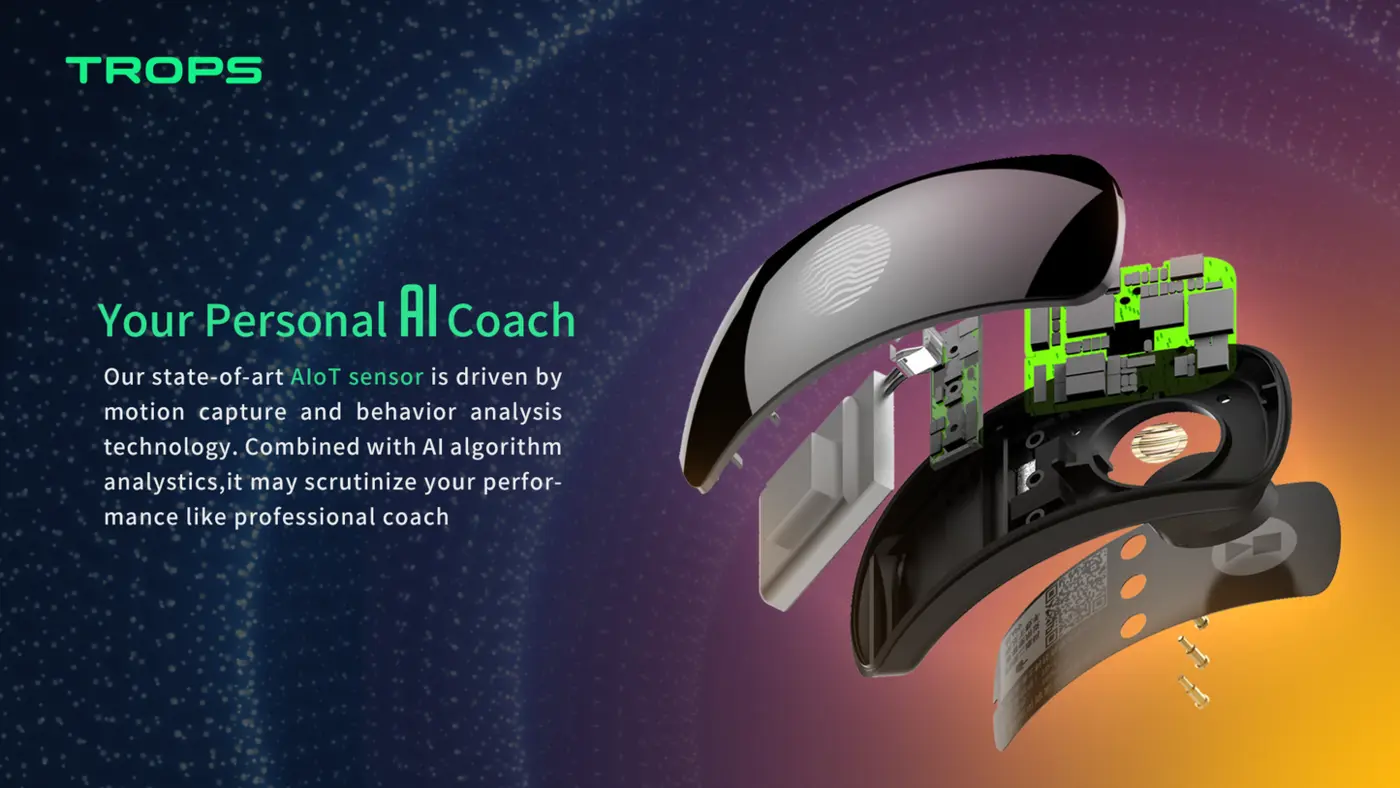
Academies around the world are adding GPS tracking to their training programmes, and the reasons are clear: objective data helps coaches plan sessions, manage workload, develop players and report progress to parents and directors. With more suppliers entering the market every year, choosing the right system in 2026 takes more than comparing price lists. This guide walks through what actually matters when purchasing football GPS trackers for an academy.
Why Academies Are Adding GPS Tracking
Fifteen years ago, GPS tracking was a tool for professional clubs only. Today, mid-sized academies and even grassroots clubs use wearables because the technology has become affordable, smaller and easier to use. Academies typically adopt tracking for three reasons:
- Individualised training. Data lets coaches see which players need more volume and which need less, instead of training everyone the same way.
- Load management. Tracking external load helps prevent overuse injuries, especially during congested fixture periods.
- Transparency. Objective numbers make it easier to communicate with parents, schools and academy directors about a player's development.
What to Look for in a 2026 Football GPS Tracker
Not all trackers are equal. Here are the six factors that separate a good academy system from a frustrating one.
1. Sensor Accuracy
The GPS module determines distance and speed accuracy, while the inertial measurement unit (IMU) captures movement that GPS alone cannot see. Look for a high IMU sampling rate — a 1000Hz IMU captures short, explosive actions such as accelerations, decelerations, jumps and changes of direction far more reliably than lower-rate sensors. If you plan to use data for sprint or acceleration work, sampling rate matters a great deal.
2. Weight and Comfort
Players will wear the tracker in a vest under their training top. A lighter device is simply more comfortable over a 90-minute session. Modern trackers weigh around 12 grams, which most players forget they are wearing. Heavier units can affect movement and are more likely to be rejected by players.
3. Battery Life
An academy rarely charges devices during the day. Look for a tracker that comfortably covers a full training session plus matches — around 8 hours of battery life is a sensible benchmark. Also check the charging solution: a multi-device charging case or magnetic dock makes managing 20 or 30 trackers practical for one coach.
4. Durability and Waterproofing
Youth players are hard on equipment. Trackers get kicked, dropped, washed and rained on. IP67 waterproofing means the device is fully protected against dust and can survive immersion in water, which is the minimum you should accept. A robust housing and replaceable components extend the life of the kit.
5. Software and AI Reports
The hardware is only half the product. Ask what the platform actually generates: session reports, player comparisons, trend charts, workload ratios. Modern systems use AI to turn raw numbers into plain-language reports that coaches can read in minutes. Check data export options too — many academies want CSV exports for their own analysis or for sending to sports science partners.
6. Scalability and Multi-Player Support
Academies usually start with one age group and expand. Confirm that the system supports adding devices later, that multiple teams can share one account, and that the software handles sessions with many players simultaneously.
Certifications and Compliance
For academies in Europe, North America and beyond, compliance matters. Devices should carry CE marking for the European market, FCC certification for the United States, and RoHS compliance for restricted substances. A supplier who can provide these documents saves you time and avoids surprises at customs or during procurement reviews.
Budgeting and Return on Investment
A full tracking kit includes the trackers, vests, a charging solution and the software platform. When comparing quotes, ask what is included: number of vests, spare parts, onboarding, training for staff and ongoing support. The cheapest hardware can become the most expensive if the software is poor or support is slow. Most academies find the real return comes from fewer injuries, better individual development plans and a more professional image with parents and scouts.
FAQ
How many GPS trackers does an academy need?
Start with one full squad (15-20 trackers) and expand. Some suppliers offer packages sized for a single team, which is a sensible first step.
Are GPS vests allowed in matches?
Many leagues now permit tracking vests during matches, but rules vary by federation and age group. Check with your governing body before planning match-day use.
Do players need to wear a phone or external device?
No. A modern football GPS tracker is a standalone wearable that records data and syncs to the platform after the session.
Ready to compare systems for your academy? Get a Quote at run.sportschool.com.cn/contact and our export team will help you size the right kit for your squads.
Need help choosing the right equipment?
Talk to Our Export Team