How GPS Tracking Improves Youth Football Player Development
Youth football coaches face a familiar challenge: one squad, 20 players, and wildly different levels of fitness, speed and maturity. GPS tracking does not replace coaching judgement, but it gives coaches something they rarely had before — objective data about what each player actually does in training. This article explains how youth academies use GPS data to develop players more effectively.
Seeing the Player Behind the Performance
On the sideline, it is easy to overestimate the loudest player and underestimate the quiet one. GPS data reveals the full picture: total distance, high-speed running, sprints, accelerations and how hard the body is working. A coach might discover that a quiet midfielder covers the most ground, or that a talented winger sprints far less than the team average. These insights change how coaches talk about and train individual players.
Individualised Training Within a Team Setting
Youth squads train together, but they do not need to train identically. Using session data, coaches can adjust volume and intensity per player: an underloaded player gets extra conditioning work, while an overloaded one is managed more carefully. This is how academies start moving from group-based coaching to genuinely individual development plans.
Managing Growth and Load in Young Players
Young athletes are not miniature adults. Their bodies are growing, and their tolerance for training changes week to week. GPS data helps coaches track external load — how much work a player actually does — so they can avoid the classic youth football mistake of doing too much on top of school sport and weekend matches.
Protecting Players During Growth Spurts
During rapid growth, players are more susceptible to certain injuries, and their coordination and speed can temporarily decline. Tracking data helps coaches notice unusual patterns — a sudden drop in distance or sprint output — and adjust sessions before small problems become injuries.
Building Faster Feedback Loops
Development accelerates when feedback is immediate. After each session, players can see their own numbers: distance, top speed, sprint count and effort. For many young players, "you hit 28 km/h today" is far more motivating than "well done". Over a season, these small feedback loops compound into measurable improvement.
Setting Personal Bests Instead of Comparisons
One of the best uses of GPS in youth football is benchmarking the player against themselves. Instead of comparing a 14-year-old to a teammate or an adult standard, coaches track each player's personal bests. This keeps development positive for late developers and prevents early maturers from being over-praised or over-used.
Supporting Position-Specific Development
As players move into 11-a-side football, positions demand different physical profiles. GPS data shows what each position actually requires: full-backs cover huge distances with frequent sprints, centre-backs jump and accelerate in short bursts, strikers produce repeated high-speed efforts. Coaches can use this data to design development work that prepares young players for the demands of their position.
Communicating With Parents and Staff
Parents ask questions: Is my child training enough? Too much? Why is my son not in the matchday squad? GPS data gives coaches an objective, non-confrontational way to answer. A simple monthly summary — distance, sprint volume, attendance — turns vague concerns into a constructive conversation about the player's development.
Choosing the Right Equipment for Youth Players
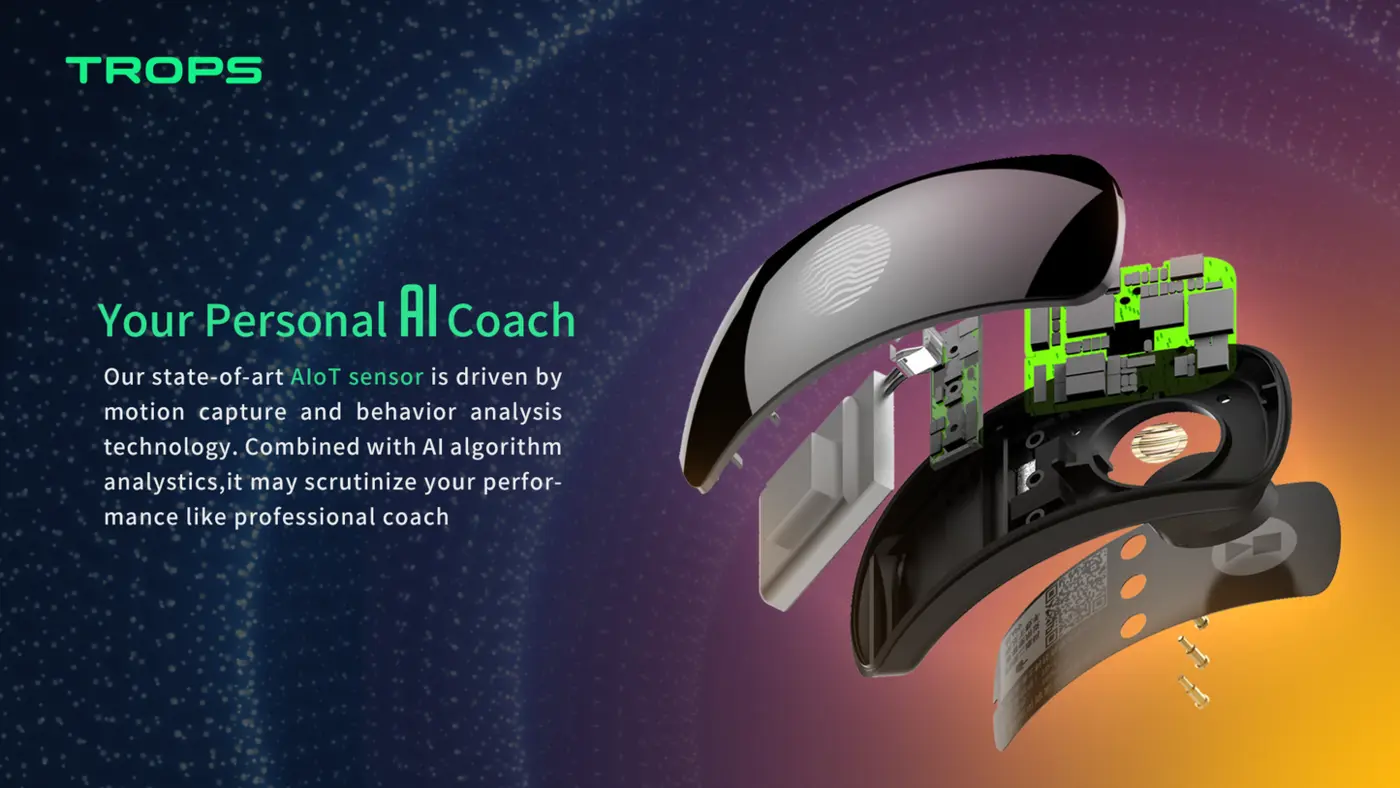
For youth use, equipment must be light, safe and simple. A tracker weighing around 12 grams is barely noticeable in a vest, and an 8-hour battery easily covers training plus a match day. Inside, a 1000Hz IMU captures the short, explosive movements young players produce — sprints, jumps and sharp turns — so coaches see the full picture. IP67 waterproofing means the kit survives rain, mud and the washing machine. Software matters too: AI-generated reports turn raw data into something a coach can read in minutes, without a sports science degree. For academies outside the EU and US markets, check that the hardware carries CE, FCC and RoHS certifications for hassle-free procurement.
FAQ
At what age should youth players start using GPS?
Many academies introduce tracking at Under-13 or Under-14, when training volume increases and players move to bigger pitches. Simpler approaches work fine for younger age groups.
Does GPS tracking add pressure to young players?
It can, if used for ranking or punishment. Used well — as a personal development tool with private data — most players find it motivating rather than stressful.
How much time does it take to run a GPS system?
Modern systems are designed for one coach: hand out vests, collect them after the session, and the platform syncs and generates reports automatically.
If you are planning a tracking programme for your academy, Get a Quote at run.sportschool.com.cn/contact — our team will help you choose a system that fits young players and busy coaches.
Need help choosing the right equipment?
Talk to Our Export Team