Football GPS Vest vs Camera Analysis: What Coaches Should Know
Coaches shopping for player tracking quickly meet two families of technology: wearable GPS vests and camera-based analysis systems. Both measure player movement, but they work differently, cost differently and answer different questions. This article compares them honestly so you can decide what fits your club.
How Each System Works
GPS Vests
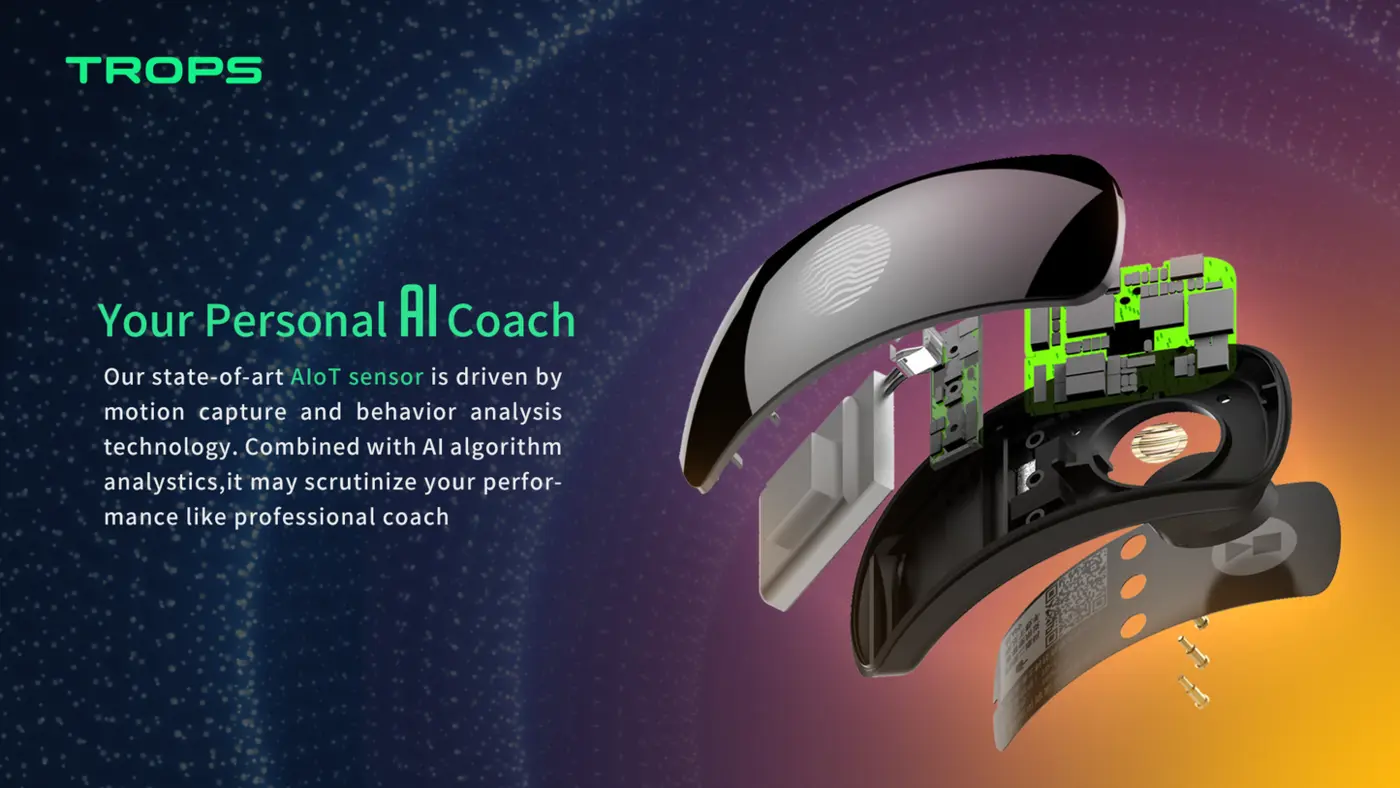
A GPS vest carries a small wearable tracker (typically placed between the shoulder blades) that records the player's position via satellite and movement via an inertial measurement unit. After the session, the device syncs to software that calculates distance, speed, sprint counts, accelerations and more. The tracker travels with the player, so data is captured wherever they go.
Camera Analysis
Camera systems use fixed cameras around the pitch to track players optically. Software identifies each player and reconstructs their movement on the field. Camera systems can capture every player on the pitch simultaneously, and some also record video that coaches can review alongside the data.
What Each System Does Well
Strengths of GPS Vests
- Works anywhere: training grounds, small-sided games, off-site sessions, even indoor halls where cameras cannot see.
- Rich physical data: a high-rate IMU (1000Hz in modern trackers) captures accelerations, decelerations and changes of direction that cameras struggle to measure precisely.
- Individual focus: each player has their own device, so load data belongs to the player, not to a video reconstruction.
- Lower cost of entry: a wearable kit is typically far cheaper than a multi-camera installation.
Strengths of Camera Systems
- No equipment on players: nothing to wear, charge or wash — useful in matches where vests are not permitted.
- Full-pitch context: cameras see positioning, formations, passing shapes and space — tactical information a vest cannot provide.
- Video integration: data is linked to footage, which is powerful for tactical review.
Where Each System Falls Short
Camera systems lose accuracy in bad weather, poor light and congested play — and they cannot see through bodies, so physical effort data is less reliable than a wearable's. They also require permanent installation, calibration and line-of-sight coverage of the whole pitch. GPS vests, on the other hand, give no tactical picture: they tell you a player ran 9 km, not whether they were in the right position when they ran it. And if vests are not allowed in official matches, match-day data is unavailable.
Which One Should Your Club Choose?
The honest answer depends on the question you are asking:
- Physical development and load management? A GPS vest system is the right tool. It directly measures what each player's body does, session after session.
- Tactical analysis and match review? Camera systems excel at positioning, spacing and team shape.
- Most clubs? Start with GPS vests. They are affordable, portable and give coaches the physical data that drives individual development — the most common reason clubs buy tracking in the first place. Add video analysis later using ordinary match footage.
Combining the Two Approaches
Professional clubs increasingly use both: wearables for training load and physical output, cameras for tactical work. For most academies and amateur clubs, that combination is overkill. A pragmatic hybrid is to use GPS vests for all training sessions and rely on standard match video for tactical review, adding camera tracking only if a specific tactical question demands it.
Cost and Practical Considerations
Camera installations involve hardware, mounting, calibration and often a subscription, and total costs are generally higher than a wearable kit of similar scale. GPS kits scale in smaller steps — buy one squad's worth of trackers, add more later. A lightweight tracker of around 12 grams with an 8-hour battery and IP67 waterproofing will survive a full season of training. Look for AI-generated reports so a coach can read the output without a dedicated analyst, and confirm CE, FCC and RoHS compliance if you are buying for regulated markets.
FAQ
Are GPS vests as accurate as camera systems?
For physical metrics like distance, sprints and accelerations, modern GPS-IMU wearables are generally more reliable in training environments than cameras, which struggle with occlusion and bad light.
Can cameras measure acceleration and deceleration well?
Only approximately. A 1000Hz IMU in a wearable captures explosive movements far more precisely than optical tracking.
Can we use GPS data for tactics?
Not directly. GPS gives physical output; tactics need positional data, which is where video or camera analysis comes in.
If you are comparing tracking options for your club, Get a Quote at run.sportschool.com.cn/contact and our team will help you understand which system matches your goals and budget.
Need help choosing the right equipment?
Talk to Our Export Team