How to Choose a Soccer GPS Tracker: 10 Key Features
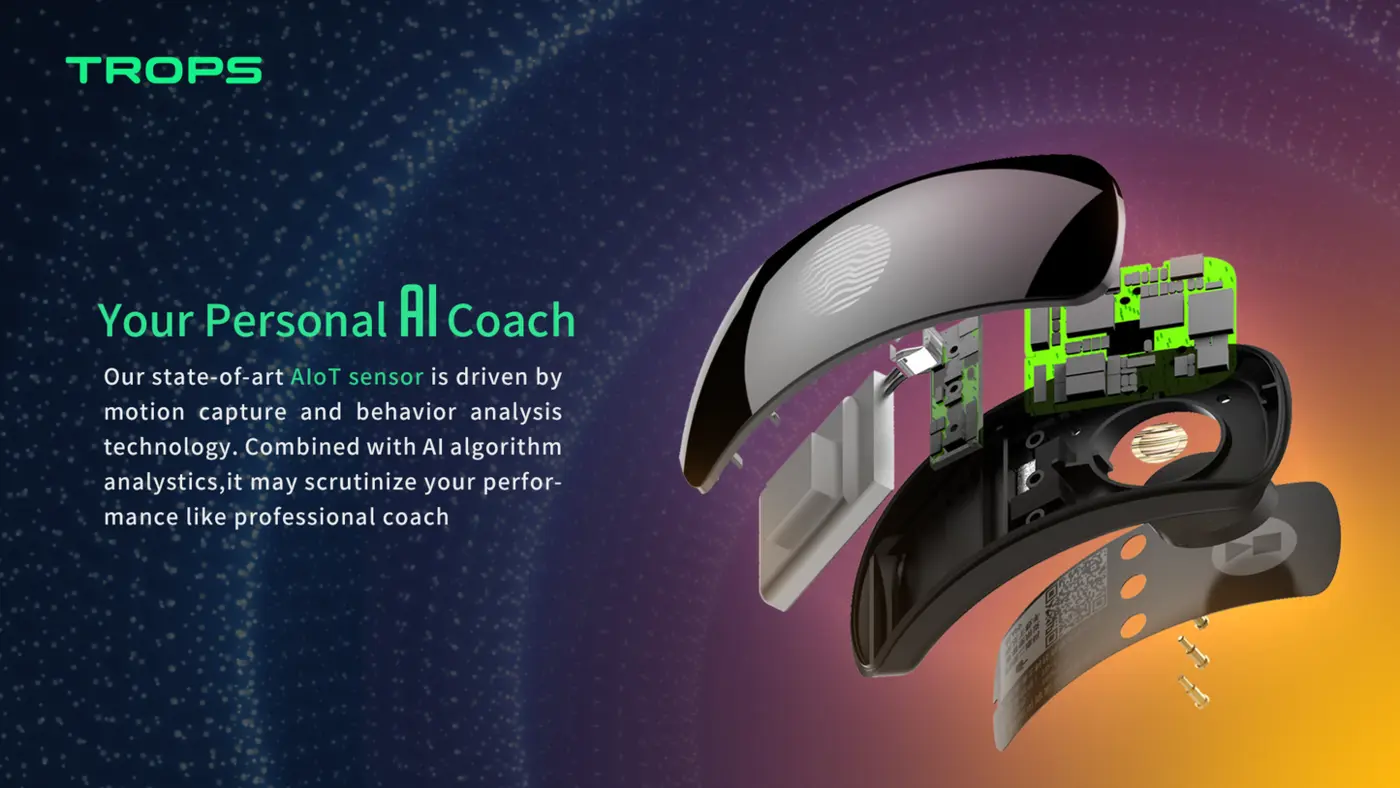
The soccer GPS tracker market is crowded, and product pages all promise accuracy, comfort and great software. So how do you actually choose? This checklist of ten features will help you compare systems on the things that matter — and avoid paying for specs you will never use.
1. IMU Sampling Rate
The inertial measurement unit captures movements GPS cannot see: accelerations, decelerations, jumps and changes of direction. Sampling rate is the key spec. A 1000Hz IMU samples 1000 times per second, catching short explosive actions that lower-rate sensors miss. If you care about sprint and acceleration data — and most coaches should — prioritise sampling rate.
2. Weight and Form Factor
Players wear the tracker in a vest for entire sessions. Lightweight matters: a device around 12 grams is comfortable enough that players forget it, while heavier units can feel restrictive and get resisted by players. Also check the vest design and how the device is held in place.
3. Battery Life
Nothing kills a tracking programme faster than dead devices at session time. Look for at least a full day of use — around 8 hours — so one charge covers training plus a match. Then check the charging workflow: a multi-device charging case or dock that charges the whole squad overnight is a practical feature, not a luxury.
4. Waterproofing and Durability
Trackers get kicked, dropped, rained on and washed with the vests. IP67 means full dust protection plus immersion in water up to 1 metre — the minimum standard to accept. Ask about the housing material and whether components like straps or pods are replaceable.
5. Software and AI Reports
The tracker is only as good as what it tells you. Modern platforms generate AI reports that summarise a session in plain language: who ran hard, who is underloaded, who needs a recovery day. Check the dashboard, the reports and whether data exports (CSV) are available for your own analysis.
6. Metrics Covered
Confirm the system covers the metrics you actually want: total distance, high-speed running distance, sprint count, peak speed, accelerations and decelerations, meters per minute and workload ratios such as acute:chronic. Some systems also integrate heart rate if you add a chest strap.
7. Multi-Player and Multi-Team Support
If you run multiple squads, check that one account can manage several teams, that devices can be assigned to players quickly, and that sessions with 20+ players sync reliably. Scalability is what lets you grow from one age group to the whole club.
8. Certifications
For procurement in regulated markets, documentation matters: CE marking for Europe, FCC certification for the US, and RoHS compliance for restricted substances. A supplier who provides these documents as standard is easier to work with.
9. OEM/ODM Options
If you are a distributor, brand owner or club buying in volume, check whether the manufacturer offers OEM/ODM services — private-label branding, custom vest colours, custom software branding. Buying directly from a manufacturer with OEM/ODM capability usually means better pricing and more flexibility than buying through a middleman.
10. After-Sales Support and Warranty
Ask the hard questions before ordering: What is the warranty period? What happens when a tracker fails mid-season? Are firmware updates included? What is the typical response time for technical support? A responsive supplier is worth more than a slightly lower price.
A Simple Comparison Method
Shortlist two or three suppliers, request samples, and test the trackers in a real training session. Check the data against known quantities — for example, run a known distance and see how the tracker measures it. Evaluate the software with the coach who will actually use it. A sample test of one or two sessions reveals more than any spec sheet.
FAQ
How accurate is GPS distance measurement?
Modern GPS trackers are accurate enough for training decisions, and the IMU improves measurement of short, explosive movements that GPS alone cannot capture well.
Do we need a separate device for each player?
Yes — each player wears their own tracker, which is why multi-device charging and squad management features matter.
Can the same tracker be used for different sports?
Many trackers work for any team sport; check that the software supports the sport and session types you need.
Comparing trackers for your club or brand? Get a Quote at run.sportschool.com.cn/contact and our export team will help you evaluate a system against this checklist.
Need help choosing the right equipment?
Talk to Our Export Team