Football Analytics for Grassroots Clubs: A Practical Start
Football analytics sounds like a professional club luxury — analysts, screens of data, expensive software. But grassroots clubs can benefit from data too, without a big budget or a sports science degree. This article is a practical starting point for clubs that want to use data to improve training, protect players and look more professional.
Start With a Question, Not a Dashboard
The biggest mistake clubs make is buying data and then wondering what to do with it. Start the other way: pick one question that matters to your club. For most grassroots clubs the useful questions are:
- Are our players working hard enough in training?
- Are we overloading anyone — especially players who also play school football?
- Is our most talented player actually the fittest one?
- Are players developing physically across the season?
One clear question keeps the project simple and gives you a way to measure success.
What Data to Collect First
You do not need dozens of metrics. For a first season, collect three numbers per player per session:
- Total distance — how much work each player did.
- High-speed running distance — the demanding work that matters for match readiness.
- Sprint count — how often players produced maximal efforts.
These three numbers alone answer most grassroots questions: who trains hard, who is underloaded, who is at risk of doing too much. Add the acute:chronic workload ratio in season two, once the habit is established.
Tools That Fit a Grassroots Budget
Grassroots clubs rarely have thousands to spend, and the good news is that wearable GPS has become genuinely affordable. A single squad's kit — trackers, vests and a charging solution — is a modest investment compared with a camera installation, and it works on any pitch, in any weather.
When comparing systems on a budget, prioritise:
- Ease of use: if one coach cannot run the whole system in 15 minutes, it will not survive the season. Look for AI-generated reports that do the analysis for you.
- Low running costs: no per-session fees, no hidden subscriptions — check what the platform subscription includes.
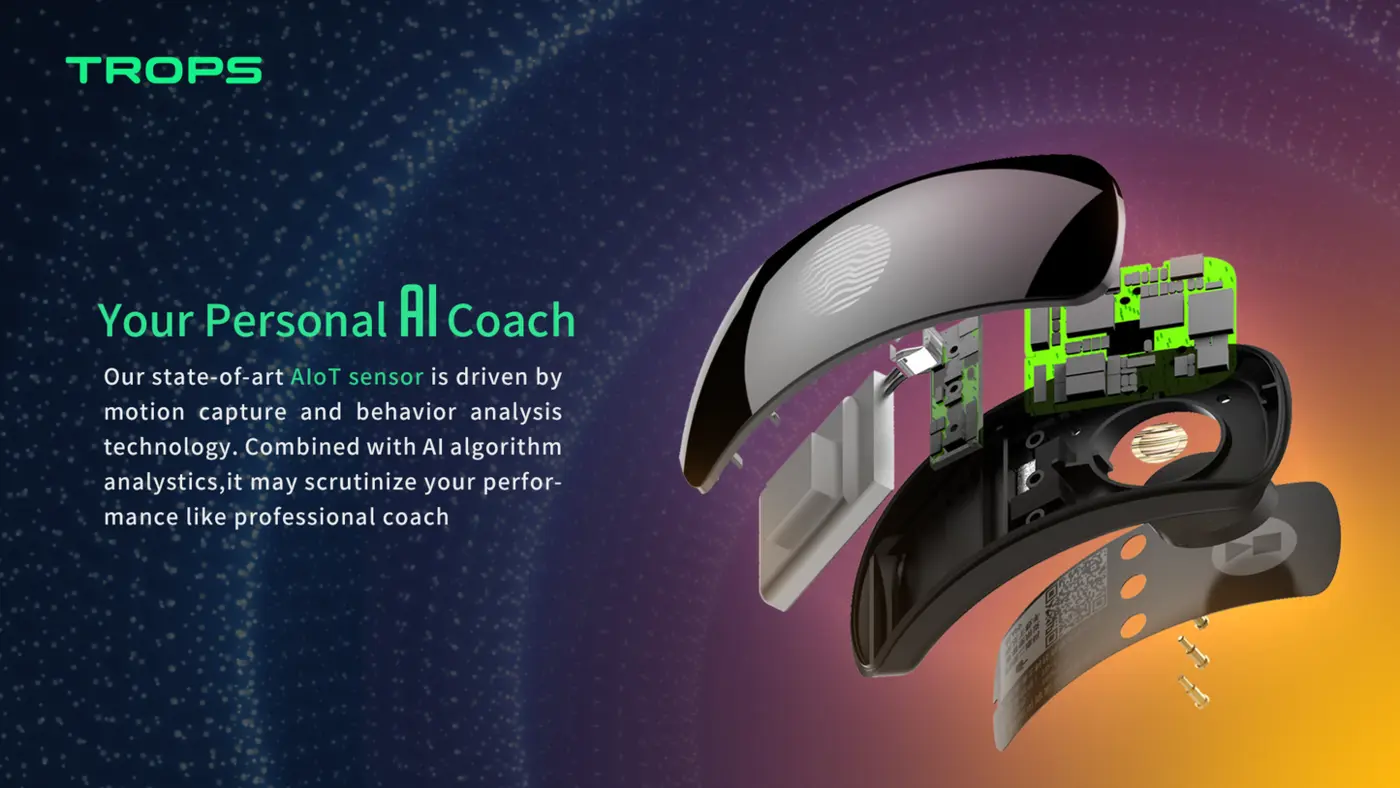
- Durability: IP67 waterproofing and a robust housing mean fewer replacements. A lightweight 12-gram tracker with a 1000Hz IMU and 8-hour battery life covers any training session.
- Scalability: start with one squad, expand to more teams as the club sees value.
Assigning Roles: One Champion, Not a Department
Grassroots clubs succeed with analytics when one person owns it — a coach, a parent with a spreadsheet habit, or a willing committee member. Their job is simple: manage the kit, review the weekly report, and flag anything unusual to the coaching staff. The data should inform decisions, not create meetings. Fifteen minutes a week is enough at this level.
Using Data in a Grassroots Setting
Practical uses that fit grassroots reality:
- Session planning: if the team's distance and intensity were low all month, add conditioning; if players are consistently hitting high sprint counts before a busy weekend, back off.
- Individual conversations: show a player their distance versus their own baseline — it is a far better development conversation than "run more".
- Multi-team management: players who play for two teams in the club are a real injury risk; shared data lets both coaches see the total load.
- Committee reporting: a one-page season summary — average distances, sprint development, attendance — makes the club look professional to parents and sponsors.
Managing Expectations
Be honest about what analytics will and will not do for a grassroots club. It will not win matches by itself, and it will not replace coaching judgement. It will give you visibility into things you previously guessed at, protect players from overload, and create a more professional environment. The clubs that benefit are the ones that use data to support decisions — not to make them.
Growing in Year Two
Once the first season works, expand deliberately: add the workload ratio, introduce speed benchmarks, or extend tracking to a second squad. Many clubs find that after one season, parents and players expect the tracking — it becomes part of the club's identity and a genuine selling point for recruitment. When you are ready to grow, check certifications (CE, FCC, RoHS) before buying more kit, and consider buying directly from a manufacturer with OEM/ODM options if the club ever wants branded equipment.
FAQ
How much does a grassroots GPS kit cost?
Costs vary by supplier, squad size and software subscription. A one-squad starter kit is a modest club investment; request quotes from several suppliers and compare what is included.
Do we need special staff to use GPS data?
No. Modern platforms generate reports automatically, and one volunteer or coach can manage the system.
Can we use the data for match day?
Where league rules permit tracking vests in matches, yes — check your league's regulations. Many grassroots clubs start with training data only.
Ready to bring data to your grassroots club without breaking the budget? Get a Quote at run.sportschool.com.cn/contact and our team will help you find a starter kit that fits your club's size and goals.
Need help choosing the right equipment?
Talk to Our Export Team