OEM/ODM Guide: Launching Your Own Football Wearable Brand
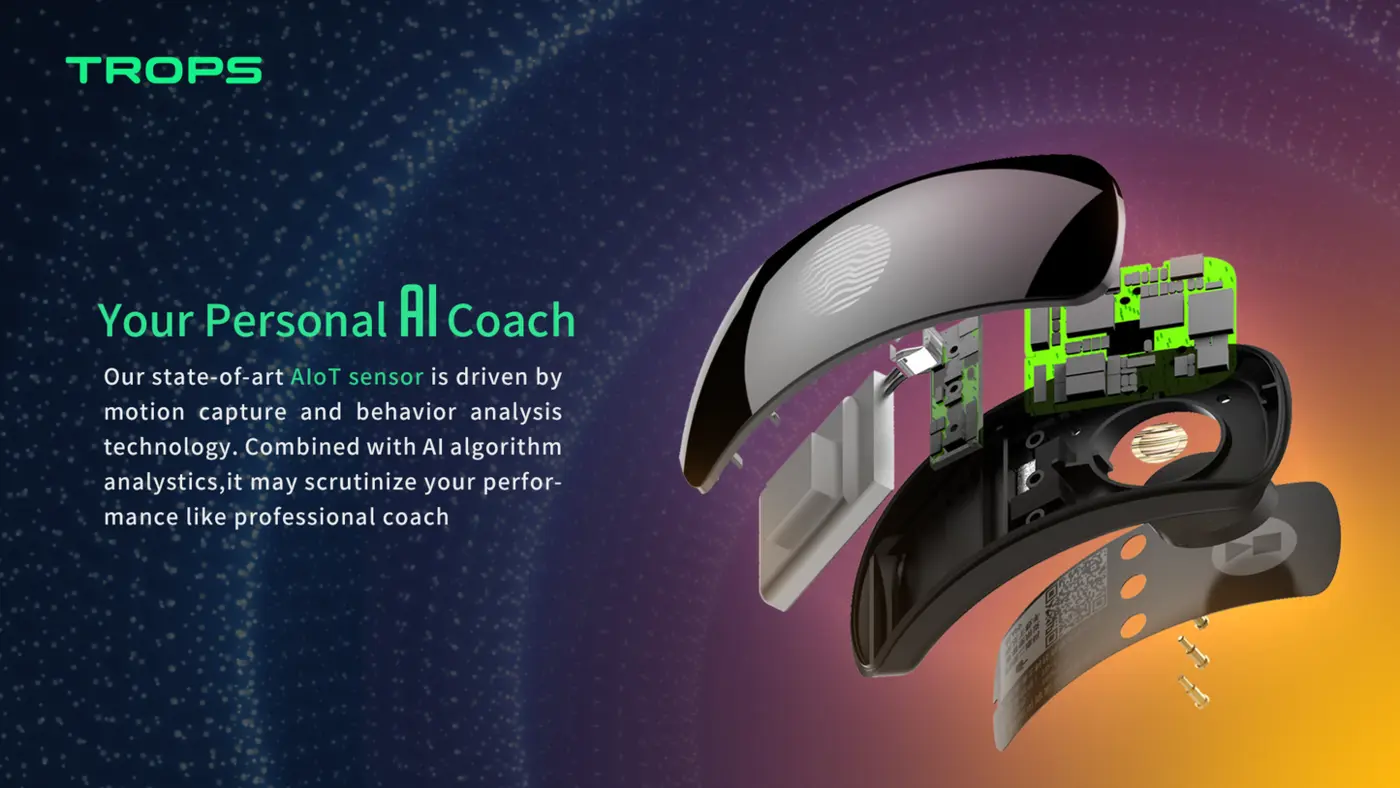
The football wearables market is growing, and a growing number of distributors, sports retailers, academies and entrepreneurs want their own brand rather than reselling someone else's. OEM and ODM manufacturing make this possible: you work with a factory that already builds the hardware, and you bring your brand, your packaging and your market. This guide explains how it works — realistically.
OEM vs ODM: What Is the Difference?
The two terms are often used interchangeably, but they mean different things:
- OEM (Original Equipment Manufacturing): you provide the design or specification, and the factory manufactures the product for you. In practice, in the wearables market, this usually means you take the factory's proven platform and customise it — branding, colours, software branding, packaging.
- ODM (Original Design Manufacturing): the factory designs and builds the product, and you buy it under your brand. Most new wearable brands start here because hardware design is expensive and risky; the factory's existing product is already tested and certified.
Most "OEM/ODM" partners in this industry offer a middle path: an existing, field-tested tracker that you customise to your brand. That is the honest reality, and it is also the smart starting point.
What You Can Customise
On a typical ODM programme you can expect to customise:
- Branding: logo on the tracker, the vest and the packaging.
- Colours: vest colours and design, tracker colour options.
- Software branding: your logo and brand name on the app or web platform.
- Packaging and manuals: your design, language and regional requirements.
- Bundles: trackers plus vests, charging cases and accessories as a kit.
Deep hardware changes — a new sensor, a different battery — are usually possible only at larger volumes, because they require new tooling, testing and certification.
Minimum Order Quantities (MOQ)
MOQ is the reality check for any new brand. A factory needs a volume that justifies production, certification costs and support. Typical MOQs for wearable trackers range from a few hundred to a few thousand units depending on the supplier and the level of customisation. Before signing anything, ask three questions: What is the MOQ for the standard version? What is the MOQ for a fully branded version? And what does the per-unit price look like at each level? Price per unit drops with volume, so plan your first production run around what you can actually sell in 6-12 months.
Certification: Your Responsibility, Their Support
Certification is where many first-time brands get stuck. Devices sold in Europe need CE marking; in the US, FCC certification; and RoHS compliance applies to materials in many markets. The good news: a reputable manufacturer with existing products will already hold these certifications for their hardware. Your job is to confirm the documentation covers your branded version, and to check what additional steps apply in your target country. Ask for the certificates up front — a partner who cannot produce them is a red flag.
Quality Control and Samples
Before committing to a production run, order samples. Test them in real training sessions: accuracy (a 1000Hz IMU gives reliable acceleration and sprint data), battery life (a tracker should manage around 8 hours of use), waterproofing (IP67 is the standard to expect), comfort (a 12g device is barely noticeable) and the software experience. Ask about the factory's quality control process, the warranty policy, and what happens with defective units. A written warranty and a clear replacement process protect your brand later.
Software and After-Sales
A wearable brand is really a hardware-plus-software product. Ask who hosts the platform, whether reports can be white-labelled, and what happens to your customers' data. Confirm firmware updates are included and how technical support is delivered — you do not want to answer end-user questions that you cannot resolve. AI-generated reports are a genuine selling point in this market; make sure the platform's reports can carry your branding.
Realistic Expectations
Launching a wearable brand is a serious commitment: capital for the first production run, time for certification and marketing, and ongoing support obligations to your customers. The businesses that succeed usually start small — one product, one market, one clear customer group — and expand once the first batches sell through. Work with a partner who treats you as a long-term customer, not a one-off order.
FAQ
How long does an ODM project take?
For a branded version of an existing product, expect roughly 4-8 weeks for branding, packaging and samples, depending on the supplier's queue. A fully custom design takes much longer.
Can we sell the same tracker under different brand names?
Only if the manufacturer agrees and your agreement allows it. Exclusive arrangements are usually available at higher volumes.
Who handles warranty claims?
Typically you handle first-line customer service, and the manufacturer handles repairs or replacements. Agree on this in writing before ordering.
Thinking about launching your own football wearable brand? Get a Quote at run.sportschool.com.cn/contact and our team will explain our OEM/ODM programme, MOQ and customisation options.
Need help choosing the right equipment?
Talk to Our Export Team