Sprint Data for Coaches: Planning Speed Sessions That Work
Speed wins football matches. A winger who can beat the full-back in the first five metres, a centre-back who can cover the channel — these are the moments GPS sprint data makes visible and trainable. This article shows coaches how to use sprint metrics to plan speed sessions that actually develop players.
What Sprint Data Tells You
Modern GPS trackers measure three things that matter for speed work:
- Peak speed: the fastest speed a player reaches — their current top gear.
- Sprint count and sprint distance: how often and how far a player runs at maximal effort.
- Acceleration: how quickly a player reaches speed from standing or jogging, measured precisely by a high-rate IMU (1000Hz in good trackers).
Together these numbers reveal a player's speed profile: some players are fast but slow to accelerate; others explode over five metres but lack top-end speed. Training should target the weakness.
Speed Is Trainable — At Every Age
A common myth is that speed is genetic and fixed. In reality, acceleration technique, sprint mechanics and repeated sprint ability all improve with targeted training, especially in youth players. GPS data turns speed development from guesswork into a measurable process: set a baseline, train, retest, and watch personal bests move.
Designing a Speed Session
A good speed session follows a simple structure:
- Warm-up: progressive runs and drills to prepare the nervous system — 10-15 minutes.
- Maximal efforts: short sprints of 10-40 metres with full recovery (1:6 to 1:10 work-to-rest). Quality over quantity — 6-10 maximal efforts is plenty.
- Change-of-direction work: accelerations and decelerations with the IMU confirming the sharpness of each effort.
- Cool-down and review: check the session data immediately — who hit their peak speed, who faded, whose acceleration dropped by the final rep.
Acceleration vs Top Speed: Train Both
Football rewards short accelerations far more often than long sprints. Most match sprints are under 20 metres, so acceleration work — explosive first steps, reaction starts, resisted sprints — deserves the majority of training time. Top-speed work (30-60 metre fly sprints) builds the ceiling. Use the data to balance both: if a player's acceleration numbers lag their peak speed, prioritise explosive work; if peak speed is the weakness, add flying sprints.
Using Sprint Data Across the Week
Sprint data is not just for speed sessions. In every training session, the tracker records how many maximal efforts each player produces. Use this to:
- Protect players: sprinting is demanding; players coming back from injury or heavy match loads should not accumulate high sprint counts.
- Balance the week: if a player sprints hard on Tuesday and Thursday, adjust the Friday session to preserve freshness for Saturday.
- Check session quality: a session where players never reach high speeds is a session that did not develop speed.
Youth-Specific Considerations
Young players are naturally developing speed, and their sprint capacity changes as they grow. Keep these principles in mind:
- Short and sharp: keep efforts short (10-30 metres) with full recovery.
- Quality over quantity: a tired sprint is a bad sprint — stop the session when speed drops.
- Growth awareness: during growth spurts, coordination and speed can temporarily dip. Compare data against the player's own recent baseline, not last season.
- Fun and games: for younger age groups, speed work disguised as games (relays, tag games) produces the same adaptations with better engagement.
Measuring Progress
Set a simple review habit: every 4-6 weeks, compare each player's peak speed, sprint count and acceleration metrics against their own baseline. Progress looks like a rising personal best in a controlled test — not necessarily in match data, where opponents and tactics vary. This personal-best framing also keeps speed work motivating: players chase their own numbers, not each other's.
Equipment That Supports Speed Work
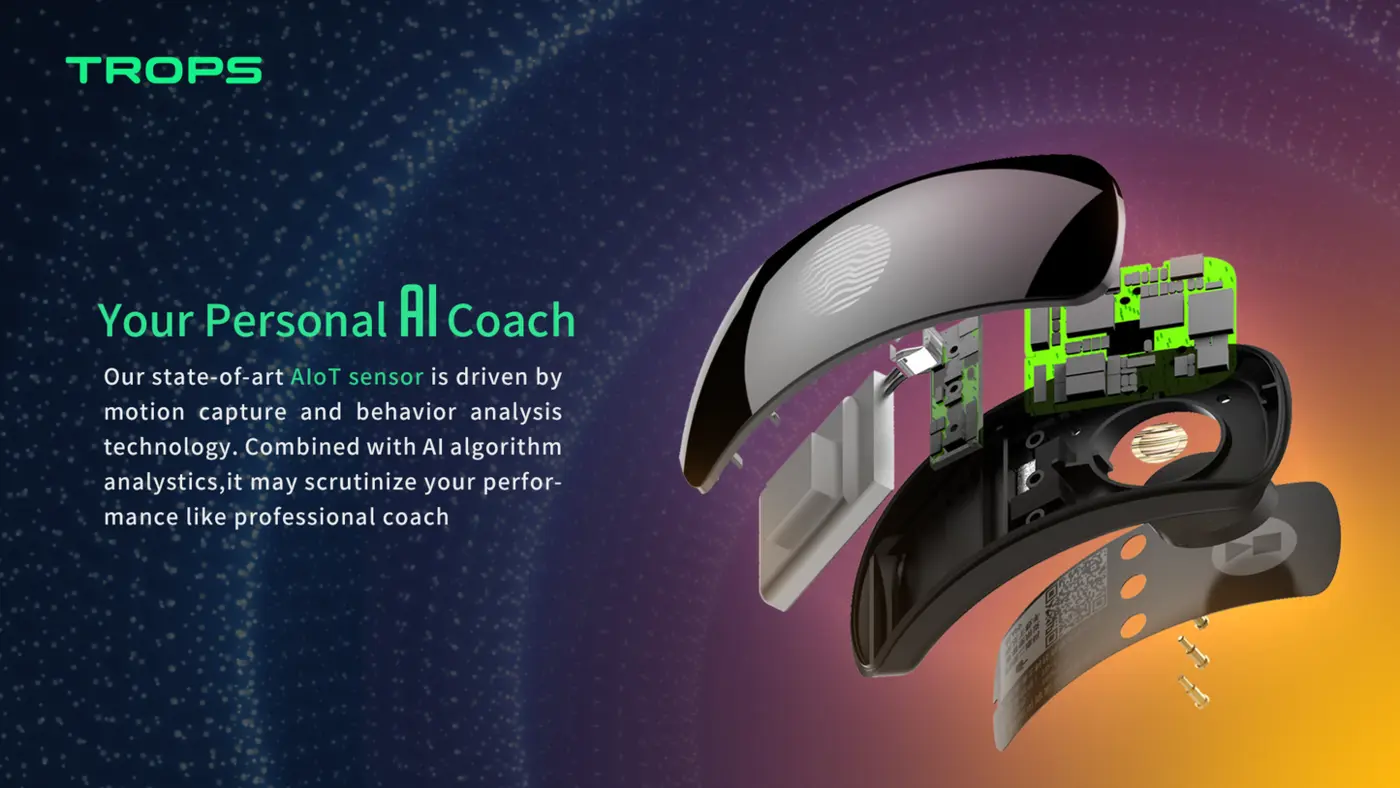
Speed data is only as good as the sensor behind it. Look for a tracker with a 1000Hz IMU to capture explosive accelerations accurately, a weight around 12 grams so it does not interfere with movement, 8-hour battery life for back-to-back sessions and IP67 waterproofing for all-weather training. AI-generated reports help by flagging speed trends automatically. CE, FCC and RoHS certifications keep procurement simple.
FAQ
How many sprints should a player do in a speed session?
For maximal efforts, 6-10 high-quality sprints with full recovery is a sensible range for most players. More is rarely better.
Can GPS measure acceleration accurately?
GPS alone struggles with short explosive movements; a high-rate IMU (1000Hz) measures acceleration and deceleration far more reliably.
When is the best time in the week for speed work?
On fresh legs — at least 48 hours before a match and away from heavy volume days. Speed quality depends on freshness.
Ready to build a data-driven speed programme? Get a Quote at run.sportschool.com.cn/contact and our team will help you choose a tracker that captures sprint data accurately.
Need help choosing the right equipment?
Talk to Our Export Team