Training Load Monitoring: Preventing Injuries in Football Academies
Injuries are the biggest controllable cost in football. A player on the treatment table is not developing, and in academies, injury time is development time lost. Training load monitoring — tracking how much work each player actually does — is the most practical tool academies have for preventing injuries. This article explains the approach in terms any coach can apply.
Why Load Monitoring Works
Most football injuries are not caused by a single dramatic moment; they are the result of doing too much, too quickly, relative to what the body is used to. Load monitoring measures the "too much" part. By tracking each player's training volume and intensity, coaches can see when a player's workload is climbing faster than their body can adapt — and adjust before injury, not after.
The Key Metric: Acute:Chronic Workload Ratio
The acute:chronic workload ratio (ACWR) compares a player's recent workload (the last 7 days — "acute") with their longer-term baseline (the last 28 days — "chronic"). In simple terms: how much are they doing this week compared with what they are used to?
- Ratio around 1.0: current load matches the baseline — the sustainable zone.
- Ratio above 1.3-1.5: workload is rising quickly — increased injury risk zone.
- Ratio below 0.8: load has dropped sharply, which matters for return-to-play after time off.
The ratio is not destiny, but it is a reliable early warning system. A spike after a busy school-and-club week is exactly the moment to ease a young player's training volume.
What to Track
You do not need a sports science department. A basic load programme tracks, per player per session:
- Total distance — overall volume.
- High-speed running distance — the demanding stuff.
- Sprint count — maximal efforts.
- Accelerations and decelerations — the braking and propulsion that strain muscles; a high-rate IMU (1000Hz) measures these accurately.
- Session duration and intensity (m/min) — how hard the session was.
With these five numbers per player, the ACWR and weekly trends practically compute themselves — especially when the software generates the reports automatically.
Load Management in a Real Academy Week
A typical week might look like this: Monday technical session, Tuesday physical session, Wednesday match, Thursday recovery session, Friday pre-match, Saturday match. The trap is that every session looks reasonable on its own, but stacked together with school sport they can overload a young player. Load monitoring exposes the stacking. The coach's decisions become simple: who needs a lighter Thursday, who should skip the extra conditioning block, who is ready for more volume.
Managing the Congested Period
During tournament weeks or fixture congestion, load spikes are almost guaranteed. Monitoring lets you plan deliberately: reduce training intensity before a busy match week, and schedule recovery sessions after it. The goal is not zero spikes — training adaptation needs some load — but controlled spikes that the player's baseline can absorb.
Monitoring Young Players Needs Extra Care
Youth players are not small adults. They also play school football, and many play for two teams. Their workload often sits outside the club's control, which makes the club's own monitoring more important, not less. Watch for warning signs in the data: sudden drops in distance or sprint output, a spike in ACWR, or a player whose numbers fall sharply after a growth spurt. Combined with coach observation of form and attitude, these signs catch problems early.
Return to Play
Load monitoring is also invaluable after injury. Instead of guessing how much a returning player can handle, coaches ramp workload gradually and compare it with their pre-injury baseline. The acute:chronic ratio provides a structured path back: build the chronic baseline first, then increase intensity in controlled steps. This reduces the notorious "second injury" risk that comes from returning too fast.
Getting Started Without Overwhelm
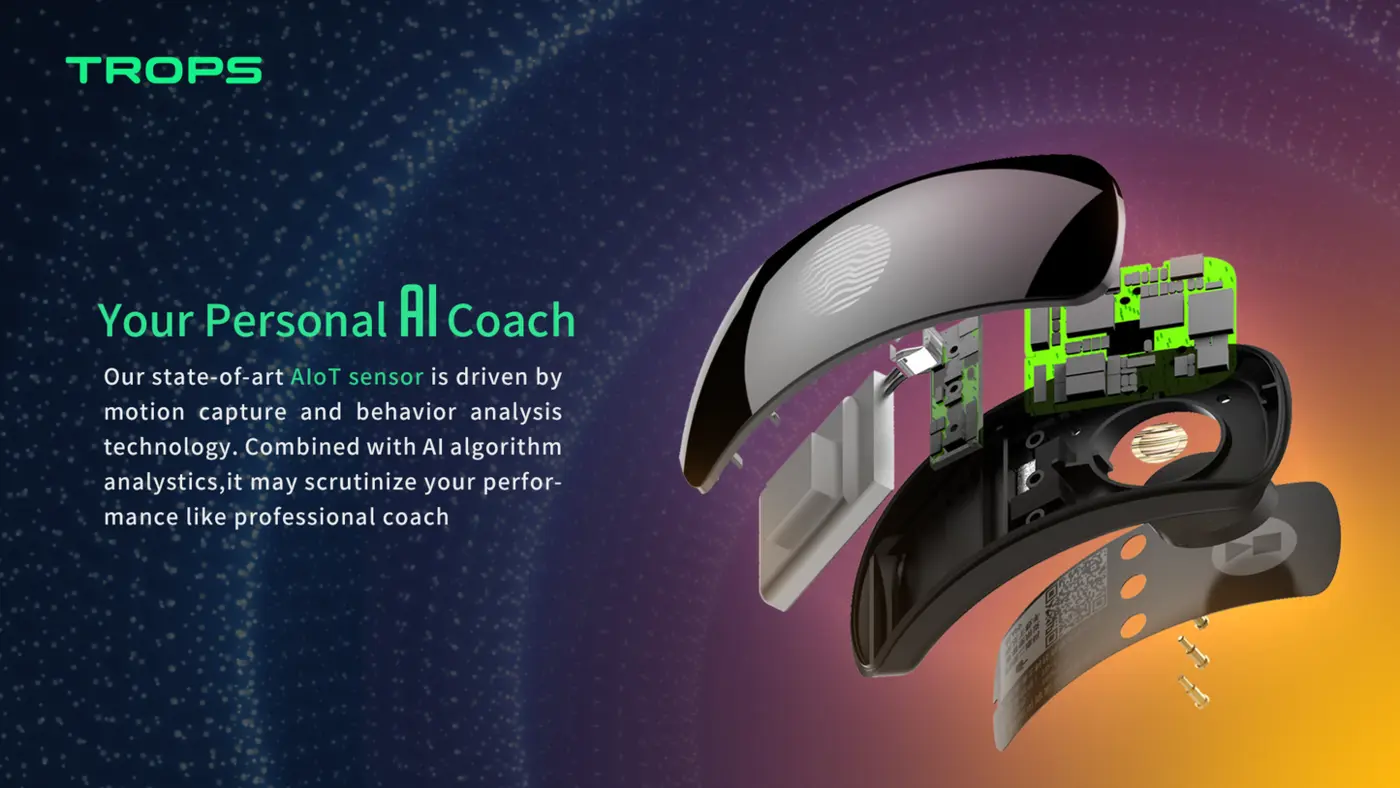
Start simple: one squad, three metrics (distance, HSR, sprint count), reviewed weekly. Add ACWR once the habit is established. Choose equipment that makes the routine painless — a lightweight tracker (around 12 grams) with 8-hour battery life, IP67 waterproofing and AI-generated reports means one coach can run the whole programme. Certifications such as CE, FCC and RoHS also matter if you are procuring through a club or federation.
FAQ
What is a safe acute:chronic ratio?
Research commonly flags ratios above about 1.5 as higher-risk, with the sweet spot around 0.8-1.3. Treat it as a warning sign, not a hard rule.
Do we need heart rate monitoring too?
No — external load data from GPS alone supports most injury-prevention decisions. Heart rate adds information about internal response but is not required to start.
How long before we see results?
Injury prevention is a season-long game. Most academies see the value in reduced time-loss injuries within one to two seasons of consistent monitoring.
Want to build a load monitoring programme for your academy? Get a Quote at run.sportschool.com.cn/contact and our team will help you choose a system that fits your coaching routine.
Need help choosing the right equipment?
Talk to Our Export Team